
🎙️ Top 7 USB-Ready Mics for Beginners
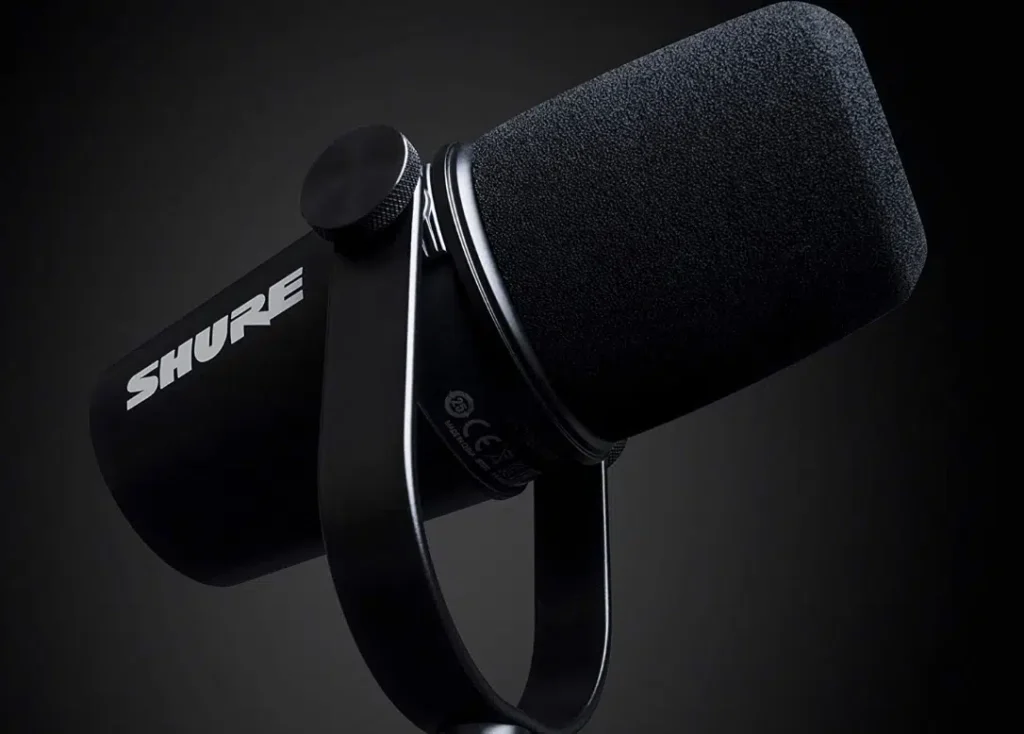
Mic Comparison Table
| Rank | Mic | Connection | Why It Matters | Price | |
|---|---|---|---|---|---|
| 1 | Shure MV7 | USB & XLR | Studio-grade voice, auto-leveling, real-time monitoring | ~$249 | Buy Now |
| 2 | Shure MV6 | USB‑C | Compact powerhouse, auto-gain, minimal setup | ~$149 | Buy Now |
| 3 | Shure SM7dB | XLR w/ preamp | Broadcast clarity, built-in preamp, no hassle | ~$549 | Buy Now |
| 4 | RØDE NT‑USB | USB | Studio-level plug-and-play quality | ~$169 | Buy Now |
| 5 | Blue Yeti Nano | USB | Legendary sound, pattern switches, headphone jack | ~$89.99 | Buy Now |
| 6 | AKG Lyra | USB | Four pickup modes, ultra‑HD clarity | ~$99 | Buy Now |
| 7 | Antlion ModMic USB 2 | USB (boom attachable) | Attach to any headphones, broadcast‑quality omni/cardioid | ~$99.95 | Buy Now |
Quick Pros & Cons for Every Mic
🔹 Shure MV7
Pros: Delivers crystal-clear, studio-grade audio; robust build; dual USB/XLR outputs—great for growing creators. Users rave about its auto-leveling and noise reduction, calling it “like having a professional studio in a compact, easy-to-use package."
Cons: Occasional reports of weak USB ports and outdated micro-USB connectors; software can feel limited or finicky.
🔹 Shure MV6
Pros: Compact, USB‑C plug-and-play; excellent voice isolation and clarity; quick setup. Users highlight its strong auto-gain and build quality for the price.
Cons: Lacks XLR connectivity; fewer manual controls—okay if you want simplicity, but limiting if you want full tweakability.
🔹 Shure SM7dB
Pros: Broadcast-grade tone with built-in preamp—no extra gear needed; praised for its warm, rich, and feedback-free audio.
Cons: Higher price point; XLR-only means you'll need an audio interface.
🔹 RØDE NT‑USB
Pros: True plug-and-play ease, zero driver fuss; warm and detailed recording; excellent build with desk stand included.
Cons: Large size may not fit all setups; condenser mic means it captures more background noise if not isolated properly.
🔹 Blue Yeti Nano
Pros: Iconic Blue sound in compact form; versatile pickup pattern options; intuitive controls and headphone output.
Cons: Condenser design picks up more room noise; limited to USB.
🔹 AKG Lyra
Pros: Four recording modes for voice, interviews, stereo work; high-res 24‑bit/192 kHz quality; works well out of the box.
Cons: Large footprint; some users notice heavier processing or latency in certain setups.
🔹 Antlion ModMic USB 2
Pros: Turns any headphone into a broadcast mic; magnetic boom is flexible and detachable; praised for clear performance and convenience.
Cons: Boom arm is stiff, requiring two hands to adjust; adhesive mounting pieces may feel inexpensive.
💡 Final Recommendation
If you want pro-level audio with growth potential, choose the Shure MV7. If simplicity and clarity on a budget matter more, go with the Shure MV6.
Every other mic offers unique perks—just pick the one that fits your setup and start creating great audio today.
Don’t forget, you make the content!